

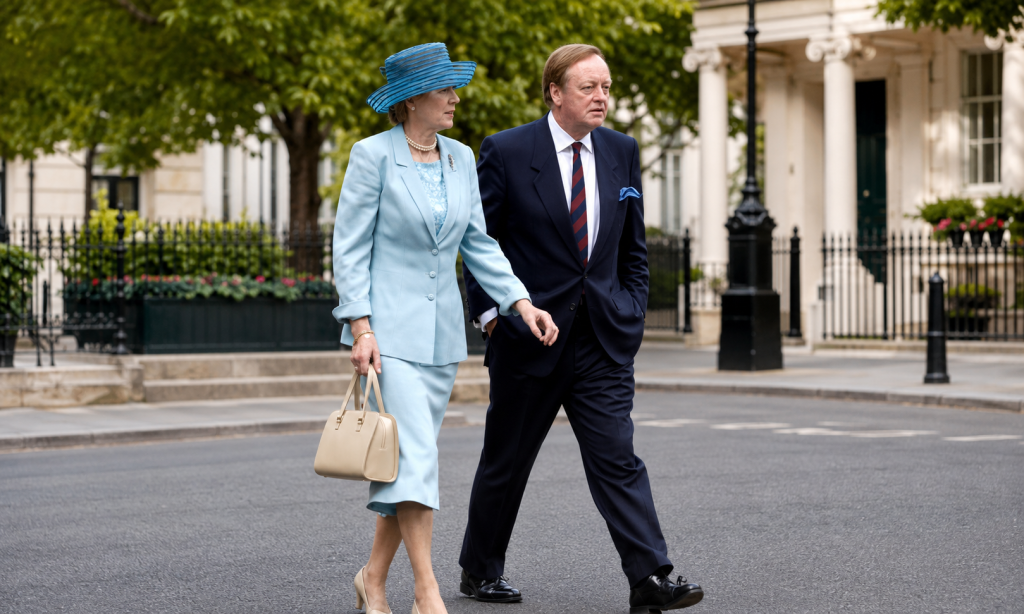
Rosemary Pitman is remembered as a private British woman whose name became publicly known through her marriage to Andrew Parker Bowles, the former husband of Queen Camilla. Although she was connected to one of the most talked-about social circles in modern British history, Rosemary herself did not live as a publicity-seeking figure. Her story is not one of constant media appearances, interviews, or public controversy. Instead, it is a quieter biography shaped by family, countryside life, garden design, horses, and a marriage that placed her near royal attention without making her a royal personality.
For many people searching for Rosemary Pitman today, the interest usually begins with her connection to Andrew Parker Bowles. However, reducing her life only to that relationship would be unfair. She had her own identity before and beyond that marriage. She was a mother, a creative woman, and someone who appeared to value dignity and privacy over public recognition.
This article explores who Rosemary Pitman was, her background, family life, marriage, public interest, death, and the legacy she left behind.
Who Was Rosemary Pitman?
Rosemary Pitman, also known as Rosemary Alice Pitman and later Rosemary Parker Bowles, was a British woman best known publicly as the second wife of Brigadier Andrew Parker Bowles. Andrew had previously been married to Camilla Shand, who later became Queen Camilla after marrying King Charles III.
Rosemary was not a celebrity in the usual sense. She did not build a career around fame, television, politics, or public office. Her public profile grew mainly because of the people connected to her life, especially Andrew Parker Bowles and the wider royal circle around Camilla and King Charles.
Still, Rosemary’s life had its own depth. She is often described in relation to her love of gardens, horses, family, and the countryside. Those details help explain why her public image feels different from many people linked to royal stories. She was not remembered for scandal or spectacle. She was remembered more for grace, composure, and a private way of living.
Early Life and Background of Rosemary Pitman
Rosemary Pitman was born as Rosemary Alice Dickinson. Her early life was connected with England, particularly places associated with the countryside and traditional British society. Public information about her childhood is limited, which is important to understand when writing about her life. Unlike senior royals or public officials, Rosemary did not leave behind a large public archive of interviews, speeches, or personal statements.
What is known is that she came from a respectable background and later moved in circles where family ties, social life, rural interests, and discretion mattered. This shaped the way she was seen by others. Her story does not read like a modern celebrity biography. It reads more like the life of someone who belonged to a private social world where public attention was not always welcomed.
That privacy is part of why Rosemary Pitman continues to attract curiosity. People know her name because of Andrew Parker Bowles, but they often find fewer details about her than expected. In many ways, that limited public record reflects the way she chose to live.
Rosemary Pitman’s First Marriage and Children
Before marrying Andrew Parker Bowles, Rosemary was married to Lieutenant-Colonel John Hugh Pitman, often referred to as Hugh Pitman. Through that marriage, she became known as Rosemary Pitman, the name most people still search for today.
Rosemary had three sons from her first marriage: Henry Pitman, William Pitman, and Thomas Pitman. Her role as a mother was an important part of her life, even though her children did not become constant subjects of public attention. Like Rosemary herself, her family life remained largely private.
This privacy matters because it shows a clear difference between public curiosity and personal reality. Rosemary was connected to well-known figures, but her own family did not turn into a media brand. Her children were part of her private world, not an ongoing public story.
Marriage to Andrew Parker Bowles
Rosemary Pitman married Andrew Parker Bowles in 1996. This marriage took place after Andrew’s divorce from Camilla Parker Bowles, who later married Prince Charles. Because of that timing and connection, Rosemary’s marriage naturally attracted public and media interest.
Andrew Parker Bowles was already a familiar name in British society. He was a retired British Army officer and had long-standing links to royal and aristocratic circles. His first marriage to Camilla had already become part of one of the most widely discussed royal stories of the late twentieth century.
When Rosemary married Andrew, she entered a public narrative that was much bigger than herself. However, she did not appear to use that attention for personal fame. The marriage was known, photographed, and reported, but Rosemary maintained a reserved presence. She seemed to fit into Andrew’s world without trying to compete with the headlines surrounding Camilla, Charles, and the royal family.
Their marriage lasted until Rosemary’s death in 2010. During those years, she and Andrew appeared at certain public events, but they were not treated as a celebrity couple in the modern media sense. Their relationship was more often described in terms of companionship, privacy, and social continuity.
Why Rosemary Pitman Became a Public Search Topic
The keyword “Rosemary Pitman” continues to receive interest because her life sits near several major public themes: the British royal family, Andrew Parker Bowles, Queen Camilla, and the history of relationships connected to King Charles III.
Many people first discover her name after reading about Andrew Parker Bowles. Others search for her after watching royal dramas, documentaries, or reading about Camilla’s earlier life. Because royal history often draws attention to family relationships and second marriages, Rosemary becomes part of that wider search journey.
However, Rosemary Pitman was not central to royal affairs. She was connected to them socially and personally, but she did not hold a royal title or public royal role. This distinction is important. She was not a palace figure, but she was close enough to the royal circle for her name to remain interesting to readers.
Rosemary Pitman’s Career and Interests
Rosemary Pitman is often associated with garden design and a love of the countryside. Garden design suits the image many people have of her: creative, traditional, refined, and connected to natural beauty rather than public performance.
A garden designer’s work requires patience, taste, planning, and an understanding of space. It is not a loud profession, but it can be deeply personal. Gardens often reflect the personality of the person who shapes them. In Rosemary’s case, this interest adds a softer and more individual layer to her biography.
She was also known for her interest in horses and riding. This interest connected naturally with the rural and equestrian culture often found in British upper-class and military social circles. Horses were also part of the world around Andrew Parker Bowles, who had links to polo and country life.
These interests help readers see Rosemary beyond her marriage. She was not simply “Andrew Parker Bowles’ second wife.” She was a woman with personal tastes, hobbies, and a lifestyle rooted in the countryside.
Connection to British Royal Circles
Rosemary Pitman’s connection to the British royal circle came through her marriage to Andrew Parker Bowles. Andrew’s first wife, Camilla, later became Queen Camilla. That connection made Rosemary part of a broader network of people linked to royal history.
Still, Rosemary’s role should not be overstated. She was not a royal family member, did not perform royal duties, and did not become a central public figure. Her connection was social and marital rather than constitutional or official.
This is one reason her story feels unusual. She was close enough to be noticed but private enough to remain somewhat mysterious. In today’s world, where public figures often share every detail of their lives, Rosemary’s quieter presence stands out.
A Private Life Away from Headlines
One of the strongest themes in Rosemary Pitman’s life is privacy. Even though she married someone with royal connections, she did not become a regular headline-maker. There is no long list of public interviews, dramatic statements, or media campaigns attached to her name.
That kind of restraint can be difficult for modern readers to understand because public attention is now often treated as a form of success. Rosemary’s life suggests a different value system. She appeared to prefer family, personal relationships, and private interests over fame.
Her public image was calm and discreet. She did not seem interested in competing with the royal drama that surrounded other names in Andrew Parker Bowles’ life. Instead, she occupied her own space with quiet dignity.
Rosemary Pitman’s Death
Rosemary Pitman died on 10 January 2010 after illness. Her death brought renewed attention to her life, especially because of her marriage to Andrew Parker Bowles and her connection to British society.
Reports at the time described her as having faced cancer with courage. She was remembered as a mother, wife, and respected figure among those who knew her personally. Her funeral and memorial attention also reflected the social world she had been part of, including connections to people associated with the royal circle.
Her death marked the end of a marriage that had lasted more than a decade and left Andrew Parker Bowles widowed. For readers looking into her biography today, this part of her story is often one of the most searched topics, along with her marriage and family.
Rosemary Pitman’s Legacy
Rosemary Pitman’s legacy is not based on fame, power, or public achievement in the usual sense. Instead, her legacy rests on privacy, family, elegance, and quiet strength. She remains a figure of interest because her life touched a famous royal-adjacent story, but she herself represented something more understated.
Her story also reminds us that not every person connected to history seeks attention. Some people become known because of their relationships, but their true lives are lived in smaller, more personal spaces. Rosemary’s world included children, gardens, horses, marriage, and friendships. These may not create sensational headlines, but they form a meaningful life.
For SEO readers searching Rosemary Pitman biography, Rosemary Pitman Andrew Parker Bowles, Rosemary Pitman children, or Rosemary Pitman death, the most important point is this: she was a private woman whose name became public through marriage, but whose personal identity should not be reduced only to royal connections.
Rosemary Pitman and Andrew Parker Bowles: A Relationship in Context
To understand Rosemary Pitman’s public relevance, it helps to understand Andrew Parker Bowles’ place in British social history. Andrew was not only a former army officer but also a man whose first marriage became tied to one of Britain’s most famous royal relationships.
After Andrew and Camilla divorced, both moved into new chapters of life. Camilla eventually married Charles, while Andrew married Rosemary. This created a complicated but socially managed network of relationships that remained of interest to royal watchers.
Rosemary’s role in this story was not dramatic. She did not become a public rival or a loud media personality. Instead, she became Andrew’s wife during a later and more settled period of his life. That quieter role is part of what makes her biography different from the louder stories surrounding the British monarchy.
Why Rosemary Pitman Still Interests Readers
Rosemary Pitman still interests readers because she represents the quieter side of a famous public world. Royal history is often told through kings, queens, princes, scandals, weddings, and public duties. But behind those stories are people who lived close to the spotlight without fully stepping into it.
Rosemary was one of those people. She was near the royal story but not swallowed by it. She was known, but not overexposed. She had social significance, but not celebrity ambition.
That balance makes her a compelling subject for biography-style content. Her life invites questions not because she was constantly visible, but because she remained partly private despite being connected to famous names.
FAQs About Rosemary Pitman
Who was Rosemary Pitman?
Rosemary Pitman was a British woman best known as the second wife of Andrew Parker Bowles, the former husband of Queen Camilla. She was also associated with garden design, family life, and British social circles.
What was Rosemary Pitman’s full name?
She was born Rosemary Alice Dickinson and later became known as Rosemary Pitman through her first marriage. After marrying Andrew Parker Bowles, she was also known as Rosemary Parker Bowles.
Who was Rosemary Pitman married to?
Rosemary Pitman was first married to Lieutenant-Colonel John Hugh Pitman. She later married Andrew Parker Bowles in 1996.
Did Rosemary Pitman have children?
Yes, Rosemary Pitman had three sons from her first marriage: Henry Pitman, William Pitman, and Thomas Pitman.
Why is Rosemary Pitman famous?
Rosemary Pitman is mainly known because of her marriage to Andrew Parker Bowles, who was previously married to Queen Camilla. Her connection to British royal and social circles made her name a subject of public interest.
What did Rosemary Pitman do?
Rosemary Pitman is often described as having an interest in garden design and countryside life. She was also known for her love of horses and riding.
When did Rosemary Pitman die?
Rosemary Pitman died on 10 January 2010 after battling cancer.
Was Rosemary Pitman a member of the royal family?
No, Rosemary Pitman was not a member of the British royal family. She was connected to royal circles through her marriage to Andrew Parker Bowles, but she had no official royal title or duty.
What is Rosemary Pitman remembered for?
Rosemary Pitman is remembered for her private lifestyle, family devotion, marriage to Andrew Parker Bowles, love of gardens and horses, and her quiet connection to British high society.