

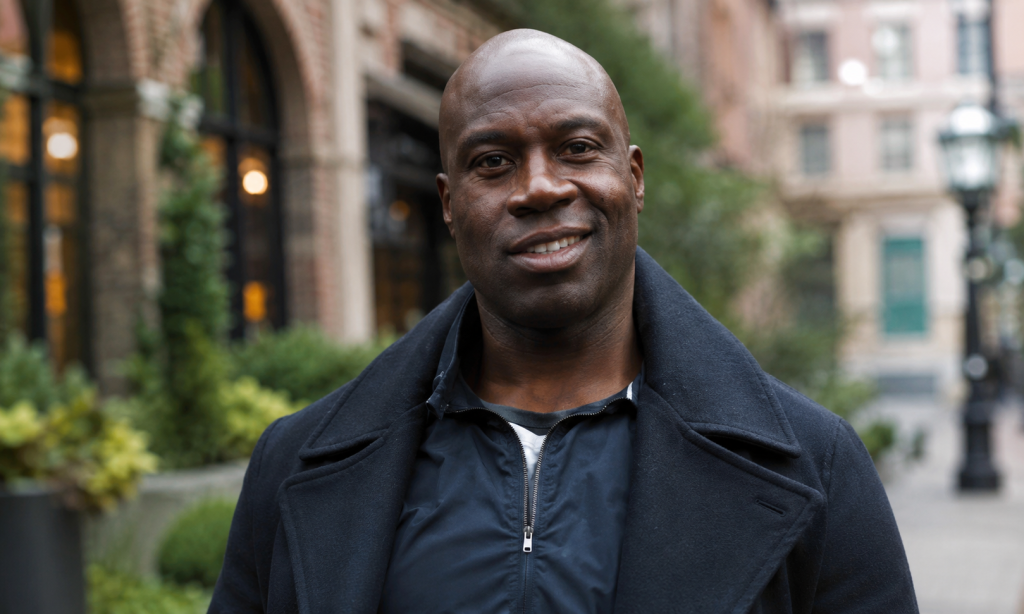
Martin Offiah is one of the most exciting names in British rugby history. For many rugby league fans, his name instantly brings back images of blistering pace, long-range tries, Wembley moments, and a winger who could change a match in seconds. Known famously as “Chariots” Offiah, he became more than just a rugby player. He became a sporting personality, a crowd-puller, and one of the finest finishers the game has ever seen.
At his peak, Martin Offiah was almost impossible to catch once he found open space. His acceleration, balance, confidence, and natural try-scoring instinct made him a nightmare for defenders. He played in an era packed with tough forwards, strong defensive lines, and intense rivalries, yet he managed to stand out through pure speed and finishing brilliance.
This article looks at Martin Offiah’s early life, rugby journey, biggest achievements, club career, international impact, and why his name still matters in rugby league today.
Who Is Martin Offiah?
Martin Offiah, full name Martin Nwokocha Offiah MBE, is a former English professional rugby league and rugby union player. He is best known for his time as a winger in rugby league, where he built a reputation as one of the most dangerous attacking players of his generation.
Born on 29 December 1965 in Hackney, London, Offiah came from a background that was not traditionally linked with northern rugby league. Rugby league was often seen as a sport rooted in towns across northern England, while Offiah grew up in London and first made his name in rugby union. That made his rise even more interesting. He was not simply another young player coming through a familiar rugby league system. He was a gifted athlete who crossed codes and quickly became a superstar.
His nickname, “Chariots” Offiah, was inspired by the film Chariots of Fire and suited him perfectly. It captured his explosive speed and the dramatic way he could race away from defenders. Over time, the nickname became part of his identity and remains one of the most recognisable nicknames in British rugby.
Early Life and Rugby Beginnings
Martin Offiah’s journey began in London, far away from the traditional rugby league heartlands. Before becoming a rugby league legend, he played rugby union and developed the speed, footwork, and confidence that later made him a star on the league field.
His athletic ability was clear from an early stage. He had the kind of natural pace that cannot easily be coached. But what made him special was not only speed. Offiah had timing, awareness, and a powerful sense of where the try line was. Many fast players can run, but not every fast player understands how to finish under pressure. Offiah had both.
His early rugby union experience helped shape his attacking style. He learned how to find gaps, beat defenders one-on-one, and use space intelligently. These qualities made him an attractive prospect when rugby league clubs began to notice him.
Move to Rugby League and Rise at Widnes
The major turning point in Martin Offiah’s career came when he moved from rugby union to rugby league and joined Widnes in 1987. At the time, this was a bold switch. Rugby league was faster in different ways, more physically demanding in repeated contact, and required a very specific understanding of defensive structures and attacking patterns.
Offiah adapted quickly. In fact, he did more than adapt; he exploded onto the scene. His time at Widnes helped establish him as one of the most exciting wingers in the game. He scored tries at a remarkable rate and became a key figure in a successful Widnes side.
At Widnes, Offiah’s reputation grew rapidly. Fans loved watching him because he brought a sense of danger every time he touched the ball. Defenders knew that one missed tackle or one poor kick-chase could lead to a try from almost anywhere on the pitch.
His performances at Widnes also showed that he was not just a speed merchant. He had courage under high balls, strength in contact, and the mental sharpness to make the right run at the right time. These qualities helped him become one of the standout players in British rugby league.
Wigan Warriors and the Peak of His Career
Although Martin Offiah had already become a star at Widnes, his move to Wigan Warriors took his career to another level. Wigan were one of the most powerful clubs in rugby league, and Offiah joined a team full of talent, ambition, and winning mentality.
His transfer to Wigan in 1992 was a major moment in the sport. The fee was huge for the time and reflected just how valuable Offiah had become. Expectations were high, but he lived up to them.
At Wigan, Offiah enjoyed some of the most memorable years of his career. He scored tries consistently and played in major finals, helping the club win silverware and maintain its status as a dominant force. His partnership with other elite players made Wigan’s attack frighteningly effective.
One of the most famous moments of his career came in the 1994 Challenge Cup final against Leeds at Wembley. Offiah scored a stunning long-range try that became one of rugby league’s most iconic highlights. The image of him racing downfield, leaving defenders behind, remains one of the defining clips of his career.
That try summed up everything Martin Offiah represented: pace, confidence, drama, and ruthless finishing.
International Career with Great Britain and England
Martin Offiah was not only a club legend. He also represented Great Britain and England at international level. Playing on the international stage gave him the chance to test himself against some of the best players in the world, including strong Australian and New Zealand sides.
As a winger, Offiah brought a genuine attacking threat to the international game. His speed meant opposition teams had to be careful with their kicking game and defensive positioning. A loose kick or a broken defensive line could quickly become a scoring chance.
For Great Britain, Offiah produced several important performances and scored tries that added to his reputation as one of the game’s most dangerous finishers. At a time when international rugby league was fiercely competitive, he was one of the British players who could truly frighten world-class defenders.
His international career also helped raise his profile beyond regular club supporters. Even people who did not follow rugby league every week came to know the name Martin Offiah.
Playing Style: Why Martin Offiah Was So Dangerous
The main reason Martin Offiah became famous was his speed, but his playing style had more layers than that. He was a complete attacking winger for his era.
His biggest strengths included:
- Explosive acceleration over short distances
- Top-end speed that allowed him to finish long-range tries
- Sharp support play around breaks and offloads
- Strong finishing ability near the corner
- Confidence in open space
- Natural try-scoring instinct
Offiah understood angles extremely well. He did not always need to beat a defender with fancy footwork. Sometimes he simply positioned himself perfectly, received the ball at pace, and used his speed to do the rest.
His style also brought entertainment value. Rugby league has always been a physical sport, but Offiah gave it glamour and excitement. He was the kind of player fans would pay to watch because he could produce a moment that stayed in memory for years.
Rugby Union Spells and Cross-Code Career
Although Martin Offiah is best remembered as a rugby league legend, he also had experience in rugby union. He played union before his league career and later returned to the code after rugby union became professional.
His time in rugby union included spells with clubs such as Bedford and London Wasps. While his greatest achievements came in rugby league, his cross-code background is an important part of his story. It shows his athletic versatility and his ability to adapt to different rugby environments.
Not every player can move between union and league successfully. The games may look similar to casual viewers, but they require different technical skills, defensive habits, and tactical understanding. Offiah’s ability to make an impact across both codes says a lot about his natural talent.
Records, Awards, and Recognition
Martin Offiah’s career is filled with impressive numbers and honours. He is widely recognised as one of the highest try-scorers in rugby league history and one of the greatest English finishers the sport has produced.
Among his major achievements, Offiah is known for scoring more than 500 career tries across his rugby league career. That figure places him among the elite try-scorers in the history of the sport. He was also inducted into the Rugby League Hall of Fame, a fitting recognition of his contribution to the game.
He received an MBE for services to rugby league, further confirming his importance in British sport. His legacy is also physically represented at Wembley Stadium, where he is included in the rugby league statue alongside other legends of the game.
For a winger from London who began in rugby union, this level of recognition is extraordinary. It proves that Offiah did not just have a great career; he changed the way many people viewed what a winger could bring to rugby league.
Martin Offiah After Retirement
After retiring from professional rugby, Martin Offiah remained active in public life. He appeared in media, television, ambassadorial roles, and sporting events. His personality, fame, and communication skills made him a natural fit for work beyond the pitch.
Many former players struggle to remain connected to the public after retirement, but Offiah’s name has stayed relevant. He has continued to be associated with rugby league, charity work, business activity, and ambassador roles.
His post-playing career also shows how strong his personal brand became. “Chariots” Offiah was not only a nickname from his playing days; it became part of British sporting culture.
Why Martin Offiah Still Matters Today
Martin Offiah still matters because his career represents more than statistics. He brought excitement to rugby league at a time when the sport needed stars who could capture attention. His tries were not just scores on a board; they were moments of theatre.
He also helped broaden rugby league’s image. As a London-born player from a rugby union background, he showed that talent could come from outside the traditional pathways. His success helped make rugby league feel bigger, more diverse, and more open to different kinds of athletes.
For younger players, Offiah’s career is a reminder that speed is powerful, but speed combined with discipline, confidence, and finishing instinct can create greatness. For fans, he remains one of the most thrilling players ever to wear a rugby league shirt.
Martin Offiah’s Legacy
The legacy of Martin Offiah is simple but powerful: he was one of the greatest wingers rugby league has ever seen. His name belongs alongside the sport’s most celebrated try-scorers, and his best moments continue to be remembered by fans decades later.