

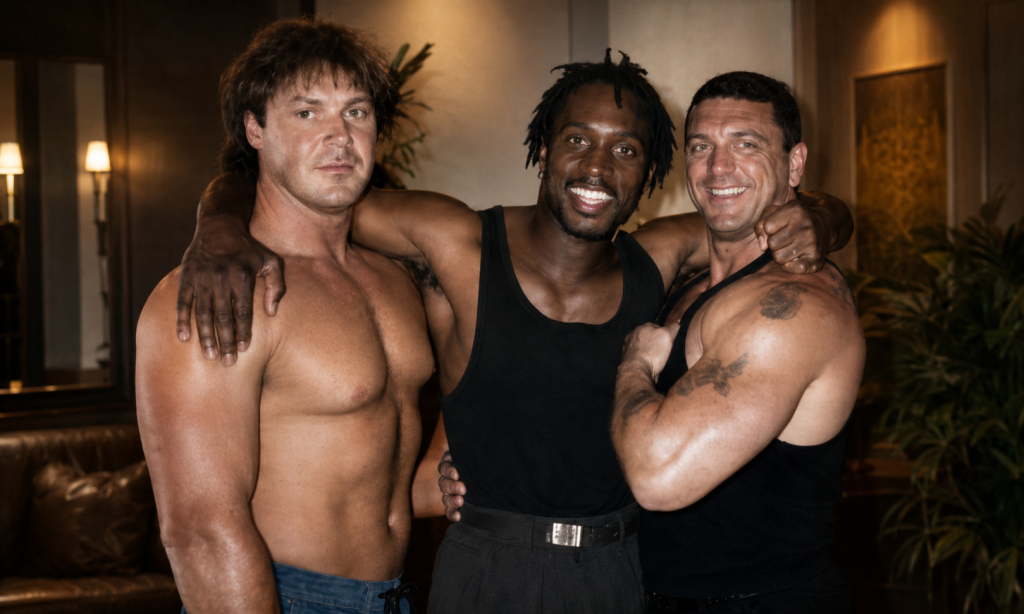
Carlton Leach is one of the most talked-about names in British true crime culture. To some people, he is best known as the real-life figure behind Rise of the Footsoldier. To others, he is remembered for his links to East London football hooliganism, the nightclub door scene, and the Essex underworld of the 1980s and 1990s. His name often appears in conversations about the Inter City Firm, the Essex Boys, and the violent world that surrounded British crime during the rave and nightclub era.
But the Carlton Leach story is not only about violence, gangs, or reputation. It is also a story of reinvention. After years connected to a dangerous lifestyle, Leach later became an author, public speaker, film consultant, and a recognizable figure in British crime media. His life has been written about, filmed, debated, and retold many times, partly because it sits at the crossroads of football culture, organized crime, working-class East London history, and modern true crime entertainment.
Who Is Carlton Leach?
Carlton Leach is a British author, former doorman, former football hooligan, and public figure best known for his connection to the story behind Rise of the Footsoldier. He was born in Canning Town, East London, and became associated with West Ham United’s notorious hooligan firm, the Inter City Firm, often known as the ICF.
Leach’s early reputation came from the football terraces, but his name later became linked with the nightclub security scene and figures connected to the Essex criminal world. In 2003, he published his autobiography Muscle, and in 2007, the film Rise of the Footsoldier brought a dramatized version of his life to a wider audience.
Carlton Leach and East London
To understand Carlton Leach, it helps to understand the environment that shaped him. East London in the 1970s and 1980s had a tough reputation. Football culture was intense, local identity mattered, and violence around matches was far more common than it is today. For many young men, football was not only a sport; it was a tribe, a badge of loyalty, and sometimes a route into a dangerous social world.
Leach became associated with the Inter City Firm, the West Ham hooligan group that gained notoriety during one of the most violent periods in British football history. The ICF was not just known for matchday disorder; it became part of a wider cultural image of hard men, reputation, loyalty, and street status.
For Carlton Leach, this world helped build the image that followed him for decades. He was seen as someone who came through the football terraces and carried that reputation into other areas of life. That reputation later opened doors in the nightclub scene, where toughness and fearlessness were often valued.
From Football Hooliganism to the Door Scene
After his time around football violence, Carlton Leach moved into work as a doorman and bouncer. This was a natural step for many men from that world. Nightclubs, pubs, and rave venues needed security, and people with a hard reputation often found themselves working “on the door.”
The British nightlife scene in the late 1980s and early 1990s was changing quickly. Rave culture was exploding. Clubs were packed. Drugs, money, and criminal influence became part of the background in some areas. The door scene could be dangerous because security staff were not only dealing with drunk customers; they were sometimes dealing with dealers, rival crews, and serious violence.
This period became a key part of the Carlton Leach story. His work as a doorman brought him into contact with people connected to the Essex criminal scene, including Tony Tucker and Pat Tate, who later became central names in the Essex Boys story.
Carlton Leach and the Essex Boys Connection
One of the biggest reasons people search for Carlton Leach is his connection to the Essex Boys era. The Essex Boys story is tied to the criminal world of the late 1980s and 1990s, including the nightclub trade, ecstasy dealing, violence, and the infamous Rettendon murders.
The Rettendon murders happened in December 1995, when Tony Tucker, Pat Tate, and Craig Rolfe were shot dead in a Range Rover on a farm track in Essex. The case became one of Britain’s most discussed gangland killings and later inspired books, documentaries, and films.
Carlton Leach was not one of the murder victims, but his association with people from that circle made his story closely linked to the wider Essex Boys narrative. In true crime culture, his name is often mentioned because he moved in the same world and later told parts of that story through his books and media appearances.
It is important to separate fact from film. The real Essex underworld was complicated, dangerous, and full of conflicting accounts. Films and documentaries often dramatize events for entertainment. Carlton Leach’s real-life experiences may have inspired parts of the screen story, but movies do not always present events exactly as they happened.
Rise of the Footsoldier and Carlton Leach
For many people, Carlton Leach became widely known because of the 2007 British crime film Rise of the Footsoldier. The film follows a character based on Leach, played by Ricci Harnett, and traces a journey from football hooliganism to the nightclub and criminal underworld.
The movie became a cult title in British gangster cinema. It appealed to viewers interested in gritty crime films, football hooligan culture, and real-life underworld stories. Although it was not a polished Hollywood-style crime drama, it gained a strong following because of its raw tone and connection to real events.
The success of Rise of the Footsoldier also helped create a wider franchise. Later films explored other figures and parts of the Essex Boys world. However, Carlton Leach has publicly distanced himself from some later parts of the franchise, with reports noting that he said later films were fictional and no longer his story.
Carlton Leach as an Author
Carlton Leach’s move into writing is one of the most important parts of his later life. His autobiography Muscle was released in 2003 and told his story from his own perspective. It covered his background, the football firm culture, his life around the door scene, and his contact with some of the people later associated with the Essex underworld.
Books like Muscle appeal to readers because they offer a first-person view of a world most people only know from headlines or films. Whether readers see Leach as a reformed figure, a controversial personality, or simply a witness to a violent era, his writing helped shape how many people understand that period.
In 2021, Carlton Leach released The Final Say, co-authored with Jason Allday. The book was presented as a later-life reflection, looking beyond the violence and reputation to explore his personal experiences, family life, and the years after the events that made him famous.
Why Carlton Leach Still Attracts Attention
Carlton Leach remains a searched name because his story has several layers. People are not only interested in him as an individual; they are interested in the world around him.
First, there is the football hooliganism angle. The ICF and other football firms remain a major part of British subculture history. Many people search for Carlton Leach because they want to understand how football violence operated and how it shaped the lives of people involved.
Second, there is the Essex Boys connection. The Rettendon murders continue to fascinate true crime audiences because of the brutality of the crime, the personalities involved, and the questions still discussed around the case.
Third, there is the film connection. Rise of the Footsoldier turned Leach’s story into entertainment, which introduced him to a new generation of viewers who may not have known about the original events.
Finally, there is the reinvention story. Carlton Leach did not remain only a name from the past. He became an author and media figure, which means his public image continued to develop long after the period that made him known.
The Difference Between the Real Carlton Leach and the Film Version
One common mistake people make is assuming that the movie version of Carlton Leach is the same as the real person. Crime films often compress timelines, exaggerate personalities, and reshape events to make the story more dramatic. Rise of the Footsoldier is based on real-life material, but it is still a film.
The real Carlton Leach has lived a much longer and more complicated life than any two-hour movie can show. His story includes family, regret, survival, reputation, public criticism, and personal reflection. The screen version focuses heavily on violence and underworld drama because that is what the genre demands. The real person’s later life includes writing, interviews, business, and attempts to explain his side of the story.
For SEO readers searching “Carlton Leach real story,” this distinction matters. The real story is not only about being a “hard man.” It is about how someone moved through dangerous social worlds and then spent years dealing with the public image created by those experiences.
Carlton Leach Net Worth and Public Speculation
Many people search for Carlton Leach net worth, but there is no widely verified public figure for his exact wealth. Online estimates should be treated carefully because they often rely on guesswork rather than confirmed financial records.
Leach has earned money through books, film-related attention, interviews, appearances, and public projects, but that does not mean any specific net worth figure online is reliable. In biography-style content, it is better to say that his income has likely come from publishing, media work, and his public profile rather than claim an exact number without proof.
Carlton Leach Today
Today, Carlton Leach is mainly known as an author, former underworld figure, and true crime personality. His story continues to appear in podcasts, interviews, online discussions, and articles about British gangster culture. He remains a recognizable name because he is connected to several topics that still attract attention: West Ham hooligan history, the Essex Boys, British crime films, and the real events behind Rise of the Footsoldier.
The reason his name has lasted is simple: Carlton Leach represents a particular era of British street culture. His life links football violence, nightclub security, rave-era crime, and the later media industry that turned those stories into books and films.
Frequently Asked Questions About Carlton Leach
What is Carlton Leach famous for?
Carlton Leach is famous for his links to East London football hooliganism, the Inter City Firm, the Essex underworld, and the story behind Rise of the Footsoldier. He is also known as the author of Muscle.
Was Carlton Leach in Rise of the Footsoldier?
The 2007 film Rise of the Footsoldier is based on parts of Carlton Leach’s life, with actor Ricci Harnett playing the character inspired by him.
Was Carlton Leach part of the Essex Boys?
Carlton Leach is widely associated with figures connected to the Essex Boys era, especially through his links with Tony Tucker and Pat Tate. However, his role and story should be understood separately from the films and dramatized accounts.
What books has Carlton Leach written?
His best-known book is Muscle, published in 2003. He also co-authored The Final Say with Jason Allday, released in 2021.
Why is Carlton Leach still popular?
Carlton Leach remains popular because his life story connects several high-interest topics: football hooliganism, British gangster culture, the Essex Boys, true crime, and the Rise of the Footsoldier film series.
Final Words
Carlton Leach is a controversial but important figure in modern British true crime culture. His life has been shaped by football firms, nightclub doors, criminal associations, media attention, and personal reinvention. Whether people discover him through Rise of the Footsoldier, the Essex Boys story, or his books, the interest usually comes from the same question: how did a man from East London become one of the most recognizable names linked to Britain’s underworld past?