

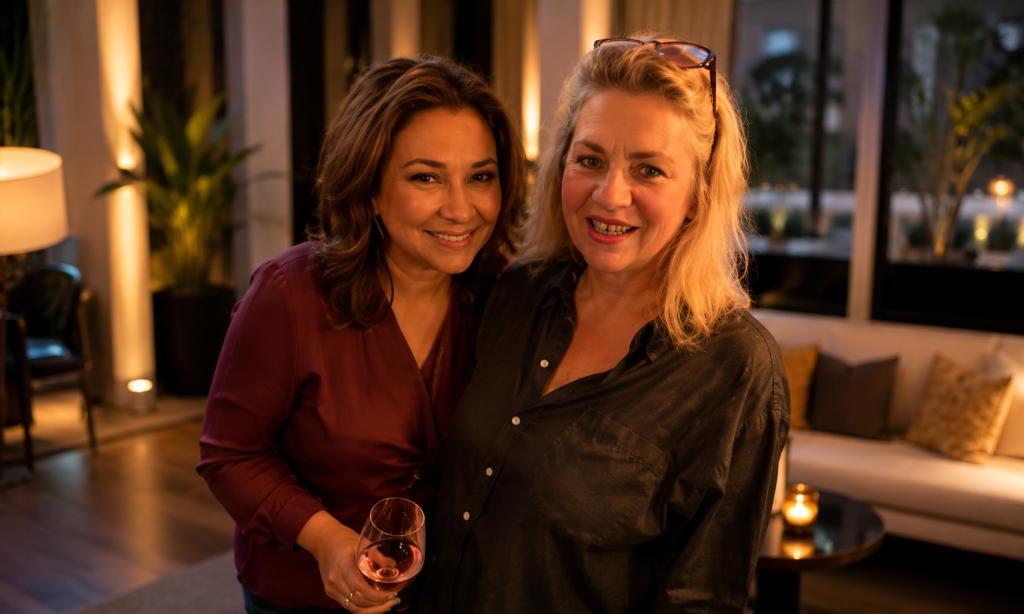
Baroness Hazarika is the title held by Ayesha Yousef Hazarika MBE, a Scottish broadcaster, journalist, political commentator, former Labour adviser, comedian, author, and current member of the House of Lords. Her public profile stands out because her career has not followed the usual straight line into British politics. Instead, she has moved between Westminster, journalism, radio, television, stand-up comedy, political strategy, and public debate, building a reputation as one of the most recognisable political voices in modern British media.
Officially, her full title is The Baroness Hazarika MBE, and she is listed by the UK Parliament as a current member of the House of Lords. She became Baroness Hazarika of Coatbridge in the County of Lanarkshire after being created a life peer by Letters Patent dated 14 March 2024, and she was introduced to the Lords on 9 May 2024.
Who Is Baroness Hazarika?
Baroness Hazarika is best known to many people as Ayesha Hazarika, a sharp political commentator who has appeared across British media as a presenter, columnist, panel guest, and Westminster analyst. Before joining the House of Lords, she worked behind the scenes in Labour politics, advising senior Labour figures and helping shape political messaging during important years for the party.
Her career is unusual because it combines the serious world of parliamentary politics with the public-facing world of broadcasting and the creative confidence of stand-up comedy. That mix has helped her develop a style that is informed, witty, direct, and accessible. She can discuss Westminster strategy with insider knowledge, but she also understands how to explain politics to everyday audiences without making it feel distant or overly technical.
For SEO searches around baroness hazarika, the main person behind the title is Ayesha Hazarika, a Labour life peer, media personality, and former political adviser. She represents a modern type of public figure: someone who understands politics from the inside but also communicates through radio, television, books, columns, podcasts, and live performance.
Baroness Hazarika’s Scottish Background
Ayesha Hazarika’s story is strongly connected to Scotland, especially Coatbridge, the town reflected in her peerage title. On the House of Lords podcast, she described growing up in Coatbridge and spoke about how the area shaped her outlook. UK Parliament’s own episode notes describe her as having grown up in Coatbridge and as the first person of Indian Assamese heritage to join the House of Lords.
This background matters because Baroness Hazarika’s public identity is not only Westminster-based. She often brings a Scottish perspective, a working-community perspective, and a second-generation immigrant perspective into discussions about politics, society, crime, culture, opportunity, and representation.
Her title, Baroness Hazarika of Coatbridge, is also meaningful. It connects her parliamentary role to the place that formed her early life. In British peerages, territorial designations often carry personal or symbolic significance, and in her case Coatbridge reflects both memory and identity.
A Career Inside Labour Politics
Before becoming Baroness Hazarika, Ayesha Hazarika spent years working inside the Labour Party. She served as a political adviser to senior Labour figures, including Harriet Harman and Ed Miliband, and has also been associated with Labour communications and speechwriting work during a period when the party was dealing with leadership, opposition politics, elections, and public messaging.
Her work included preparing politicians for major parliamentary moments, particularly Prime Minister’s Questions, commonly known as PMQs. This experience later became central to her book, Punch and Judy Politics: An Insider’s Guide to Prime Minister’s Questions, which she co-authored with Tom Hamilton. The book drew on their experience preparing Ed Miliband for PMQs and explored one of the most theatrical, high-pressure rituals in British politics.
This phase of her career gave her deep knowledge of political communication. She learned how leaders are prepared, how arguments are framed, how parliamentary exchanges are planned, and how media reaction can shape political success or failure. That insider knowledge later became one of her biggest strengths as a broadcaster and commentator.
From Adviser to Political Commentator
After leaving front-line advisory work, Baroness Hazarika became increasingly visible in the media. She wrote columns, appeared on political programmes, and became known for explaining Labour politics, Westminster culture, and wider public affairs in a way that was both serious and engaging.
Her move into broadcasting made sense because she had already spent years understanding the mechanics of political messaging. Unlike commentators who only watch politics from the outside, she had worked within the system. That meant she could explain not just what politicians said, but why they said it, who they were trying to reach, and what strategic pressures were behind the public performance.
She later became one of the launch presenters of Times Radio in 2020, according to published biographical summaries, and has continued to be associated with political broadcasting and public debate.
Baroness Hazarika and Comedy
One of the most interesting parts of Baroness Hazarika’s biography is her background in stand-up comedy. Politics and comedy may seem like very different worlds, but for her they overlap naturally. Both require timing, confidence, audience awareness, and the ability to read a room.
Her comedy work began while she was also building a serious professional life in government and politics. Over time, comedy became another way for her to talk about power, Westminster culture, identity, gender, and public life. She has performed at events including the Edinburgh Festival Fringe, and her comedy experience has helped shape her public communication style.
In interviews and public appearances, she has often treated humour as more than entertainment. For Baroness Hazarika, humour can make politics more human. It can challenge arrogance, soften conflict, and open up conversations that might otherwise feel tense or closed. On the Lord Speaker’s podcast, she argued that humour and humility can go a long way in politics, especially at a time when trust in politics is low.
Becoming Baroness Hazarika
The major turning point in her public career came when she entered the House of Lords. Baroness Hazarika was nominated for a life peerage by Labour leader Keir Starmer and became a Labour life peer in 2024. Her parliamentary profile lists her House membership from 14 March 2024 and her Labour affiliation from the same date.
Her formal introduction took place on 9 May 2024, when she took the oath and signed the undertaking to follow the House of Lords Code of Conduct. She was supported during the introduction by Lord Dubs and Baroness Kennedy of The Shaws, two long-standing Labour figures.
This moment was significant for several reasons. First, it brought her back into formal politics after years of public commentary and broadcasting. Second, it gave her a platform to influence debates directly rather than only analyse them from outside. Third, it marked a historic moment for representation, with UK Parliament describing her as the first person of Indian Assamese heritage to join the House of Lords.
What Does Baroness Hazarika Focus On?
Since entering the House of Lords, Baroness Hazarika has contributed to debates and questions across public policy areas including crime, policing, violence against women and girls, community cohesion, child protection, free school meals, employment rights, and other social issues. Her parliamentary contributions page shows activity on subjects such as the Crime and Policing Bill, Violence Against Women and Girls Strategy, Crown Court Criminal Case Backlog, Integration and Community Cohesion, and International Women’s Day.
One theme that appears strongly in her public comments is concern about everyday safety and community life. On the Lord Speaker’s podcast, the episode notes describe her interest in using her political platform to campaign against anti-social behaviour and crime.
This focus fits her broader public style. Baroness Hazarika often speaks about politics not only as party strategy, but as something that affects people’s daily lives. Issues like crime, community trust, public services, and social cohesion are not abstract topics for her; they are connected to how people experience their streets, schools, families, and local communities.
Why Baroness Hazarika Is a Recognisable Public Figure
Baroness Hazarika is recognisable because she has built credibility across several fields at once. In politics, she worked closely with senior Labour figures. In media, she became a familiar voice on radio and television. In comedy, she developed a more personal and entertaining way of talking about public life. In writing, she helped explain the culture of PMQs and Westminster performance.
That combination makes her different from many traditional political figures. She is not only a legislator. She is also a communicator. She understands how political language lands with ordinary people, how media narratives are created, and how humour can make difficult issues more approachable.
For people searching baroness hazarika biography, Ayesha Hazarika House of Lords, Baroness Hazarika Labour peer, or who is Baroness Hazarika, the key point is that she represents a bridge between Westminster politics and public conversation. Her career shows how modern political influence can move across Parliament, media, books, podcasts, live events, and digital platforms.
Baroness Hazarika’s Media Style
One reason Baroness Hazarika has remained relevant is her media style. She is direct but not dry. She can be analytical without sounding detached. She often brings humour into political discussions, but she does not reduce serious issues to jokes.
That balance matters in a media environment where audiences often feel exhausted by political conflict. Many people do not want long, technical explanations filled with Westminster jargon. They want someone who can explain what is happening, why it matters, and what it says about the people in power. Baroness Hazarika has built much of her media reputation around that ability.
Her experience also allows her to comment on the emotional side of politics. She knows that leadership is not just about policy papers. It is also about pressure, performance, preparation, loyalty, messaging, public mistakes, and the human strain of political life.
The Importance of Representation
Baroness Hazarika’s place in the House of Lords also matters symbolically. As a woman of Indian Assamese heritage raised in Scotland, her route into public life reflects a changing Britain. Her story includes migration, Scottish identity, class and community, political ambition, media visibility, and cultural confidence.
Representation is not only about being “the first” or holding a title. It is also about bringing different experiences into institutions that have historically been narrow in background and worldview. Baroness Hazarika’s presence in the Lords adds a voice shaped by immigrant family history, Scottish upbringing, Labour politics, and media culture.
That does not mean she is defined only by heritage. Her career is much broader than that. But her background adds another layer to why her appointment attracted attention and why many people search for information about her.
Baroness Hazarika’s Legacy So Far
It is still early to define Baroness Hazarika’s full legacy in the House of Lords, but her public career already shows a clear pattern. She has repeatedly moved into spaces that require confidence: political advising, comedy stages, live broadcasting, opinion writing, and now parliamentary debate.