

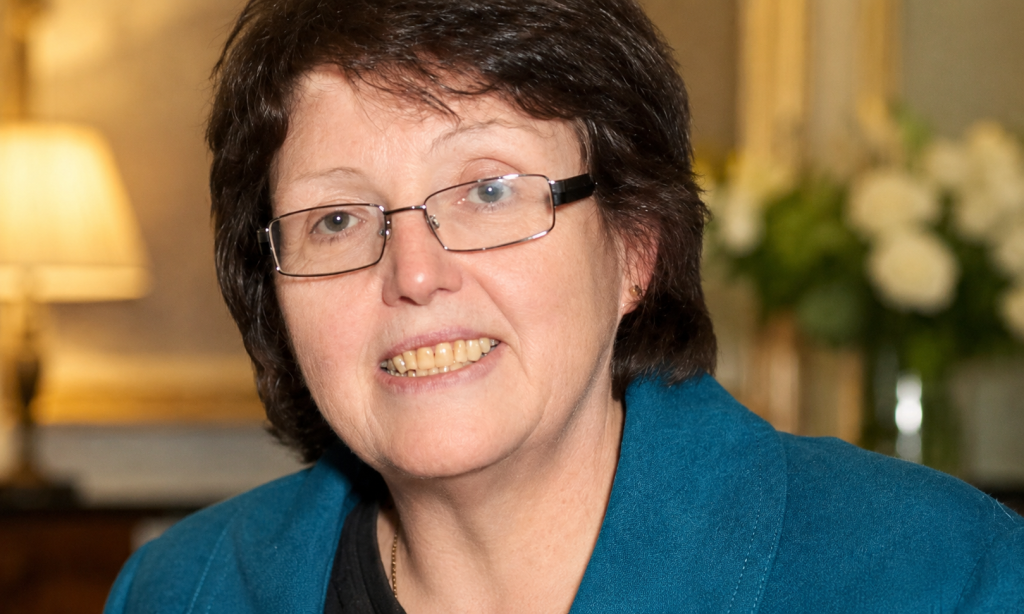
Rosie Cooper MP is a name closely connected with West Lancashire politics, health campaigning, British Sign Language recognition, and long public service. Although Rosie Cooper is no longer a sitting Member of Parliament, many people still search for “Rosie Cooper MP” because of her long parliamentary career, her work as Labour MP for West Lancashire, and her later move into NHS leadership.
Her story is not only about Westminster politics. It is also about local government, health advocacy, disability rights, community representation, and personal resilience. Over several decades, Rosie Cooper built a public profile as a politician who often focused on practical issues affecting ordinary people, especially in healthcare, public services, and access for Deaf communities.
This article explains who Rosie Cooper is, what she is known for, her political background, her time as MP for West Lancashire, her work on British Sign Language, and why her career remains significant in UK public life.
Who Is Rosie Cooper MP?
Rosie Cooper, full name Rosemary Elizabeth Cooper, is a British former politician best known for serving as the Labour Member of Parliament for West Lancashire from 2005 until 2022. Before entering Parliament, she had a long career in local politics in Liverpool and also worked in roles connected with health and community services.
Her political journey is notable because it began outside the Labour Party. She was originally associated with the Liberal Party and later the Liberal Democrats before joining Labour in 1999. This made her career slightly unusual compared with many MPs who remain within one political party throughout their public life.
Cooper’s public reputation was built on steady constituency work, health-related campaigning, and her personal connection to the Deaf community. As the child of Deaf parents, she understood British Sign Language and the challenges faced by Deaf people in accessing public services. This personal background later became central to one of her most important legislative achievements.
Early Life and Background
Rosie Cooper was born in Liverpool, a city that played a major role in shaping her public identity. Coming from a working community and growing up with Deaf parents gave her an early understanding of communication barriers, social inequality, and the importance of accessible services.
Her experience as a child of Deaf adults gave her a connection to British Sign Language from an early age. This was not simply a policy interest for her; it was part of her family life. That personal connection made her later work on BSL recognition feel more authentic and deeply rooted.
Before becoming an MP, Cooper worked in business, communications, and public service roles. She also became involved in health-related organisations, including leadership roles connected with Liverpool’s health sector. These experiences helped shape her later parliamentary focus on the NHS, patient safety, and health accountability.
Rosie Cooper’s Local Government Career
Long before she became Rosie Cooper MP, she was active in Liverpool local politics. She was elected to Liverpool City Council in the 1970s and served for many years as a councillor. Her local government career gave her direct experience in community issues, council decision-making, public service delivery, and local accountability.
One of the most prominent moments in her local political career came when she served as Lord Mayor of Liverpool from 1992 to 1993. This role gave her a high-profile civic platform and strengthened her public presence in Merseyside.
Her long service in local government also gave her a strong grounding in constituency-style politics. Unlike politicians who enter Parliament with little direct community experience, Cooper had already spent decades dealing with local concerns before becoming an MP.
Becoming Labour MP for West Lancashire
Rosie Cooper became the Labour MP for West Lancashire in 2005. She won the seat after the retirement of the previous Labour MP, Colin Pickthall. West Lancashire had been a Labour-held constituency, and Cooper went on to represent the area for more than 17 years.
As MP, she represented communities including Skelmersdale, Ormskirk, Burscough, and surrounding areas. Her role involved raising local issues in Parliament, supporting constituents, participating in committees, and campaigning on matters affecting West Lancashire.
During her time in the House of Commons, Cooper was known more as a constituency-focused MP than a media-driven political figure. She was not usually associated with headline-grabbing ideological battles. Instead, her work often centred on practical public service matters, particularly health, hospitals, and accountability in public bodies.
Political Style and Public Image
Rosie Cooper’s political style was often described as direct, persistent, and locally grounded. She was not one of the most nationally famous MPs, but she was a recognisable figure in West Lancashire and among people following NHS accountability issues.
Her work showed a strong interest in how public institutions treat ordinary citizens. She often raised concerns about healthcare, patient safety, management failures, and public accountability. This made her especially relevant in debates about NHS culture and service standards.
For many constituents, the value of an MP is not only measured by television appearances or frontbench positions. It is also measured by how effectively they respond to local problems. Cooper’s long career reflected that kind of parliamentary service.
Rosie Cooper and Health Campaigning
Health was one of the strongest themes in Rosie Cooper’s public career. Before becoming an MP, she had experience in health authority and hospital-related roles. In Parliament, she continued to focus on the NHS and healthcare standards.
She was associated with scrutiny of health services, especially where concerns were raised about management, culture, or patient care. Her interest in healthcare was not limited to broad political slogans. She often focused on practical questions about how services were being run and whether patients were receiving safe, fair, and effective treatment.
This health focus later connected naturally to her appointment as chair of Mersey Care NHS Foundation Trust after she stepped down from Parliament. The move showed that her public service career did not end with Westminster, but continued in the healthcare sector.
British Sign Language and Rosie Cooper’s Major Legislative Legacy
One of the most important parts of Rosie Cooper MP’s legacy is her role in the British Sign Language Act 2022. Cooper introduced the British Sign Language Bill as a Private Member’s Bill. The aim was to give legal recognition to British Sign Language in England, Scotland, and Wales and to improve public awareness and access.
This issue was deeply personal for Cooper because both of her parents were Deaf. She understood the everyday barriers that Deaf people can face when dealing with government departments, healthcare providers, education systems, and other public services.
The British Sign Language Act was widely welcomed by Deaf campaigners and accessibility advocates. For many people in the Deaf community, legal recognition of BSL was not just symbolic. It represented respect, visibility, and a step toward better communication rights.
Cooper’s role in bringing forward the Bill is one of the clearest examples of how a backbench MP can influence national policy. Even without holding a senior ministerial role, she was able to help move an important equality issue through Parliament.
The Murder Plot Against Rosie Cooper
A serious and disturbing part of Rosie Cooper’s public life was the far-right plot to murder her. The case became nationally known and highlighted the risks faced by MPs in an increasingly hostile political environment.
The plot was connected to a neo-Nazi extremist, Jack Renshaw, who admitted planning to kill Cooper. He was later sentenced to life imprisonment. The case was deeply shocking because it showed how extremist violence could directly target elected representatives.
For Cooper, the experience was personally traumatic. It also became part of a wider national conversation about the safety of MPs, political intimidation, and threats to democracy. The murder of Jo Cox MP in 2016 had already shown the deadly consequences of political extremism, and the plot against Cooper reinforced concerns about public figures being targeted.
Despite this, Cooper continued her parliamentary work for several years afterward. Her decision to eventually step down from Parliament came after a long period of service and a move toward a new NHS role.
Stepping Down as MP
Rosie Cooper stepped down as MP for West Lancashire in 2022 after accepting a role with Mersey Care NHS Foundation Trust. Her departure triggered a by-election in West Lancashire, which was later won by Labour candidate Ashley Dalton.
Her resignation marked the end of a long chapter in West Lancashire politics. She had represented the constituency through multiple governments, national crises, party leadership changes, and major debates over public services.
For many people searching “Rosie Cooper MP,” it is important to understand that she is now a former MP rather than a current Member of Parliament. However, the phrase remains commonly used because that is how she became widely known during her time in public life.
Work After Parliament
After leaving Parliament, Rosie Cooper moved into NHS leadership as chair of Mersey Care NHS Foundation Trust. This role connected closely with her long-standing interest in healthcare and public service standards.
Mersey Care is a major NHS trust providing mental health, community health, addiction, and specialist services. Chairing such an organisation is a significant responsibility, especially at a time when NHS services have faced pressure from demand, staffing challenges, funding debates, and public expectations.
Cooper’s move from Parliament to NHS leadership showed continuity in her career. Rather than shifting into a completely unrelated field, she moved into an area where she already had experience and interest.
Later reporting indicated that she stood down from the Mersey Care chair role after three years. Even so, her association with health services remains one of the strongest parts of her public profile.
Rosie Cooper’s Political Legacy
Rosie Cooper’s legacy can be understood through several key areas: local representation, health campaigning, Deaf rights, public service accountability, and resilience in the face of political extremism.
As MP for West Lancashire, she served for more than 17 years. That length of service alone made her a significant figure in the constituency’s modern political history. She was part of the Labour parliamentary presence in the North West and represented a seat that remained important for the party.
Her work on British Sign Language stands out as one of her most lasting achievements. Legal recognition of BSL was a meaningful step for Deaf communities and showed how personal experience can shape effective lawmaking.
Her focus on health issues also shaped her reputation. Cooper often brought attention to NHS concerns and public service failures, making accountability a recurring theme in her career.
Why People Still Search for Rosie Cooper MP
People continue to search for “Rosie Cooper MP” for several reasons. Some want to know whether she is still an MP. Others are looking for information about the British Sign Language Act, the West Lancashire by-election, her NHS role, or the murder plot case.
The search term remains popular because public figures are often remembered by the titles they held for the longest time. Although Rosie Cooper is no longer in Parliament, her identity as “Rosie Cooper MP” remains strongly associated with her public career.
For readers researching UK politics, her career offers a useful example of a long-serving backbench MP whose influence came through constituency work, committee activity, issue-based campaigning, and personal commitment rather than frontbench office.
Frequently Asked Questions About Rosie Cooper MP
Is Rosie Cooper still an MP?
No. Rosie Cooper is no longer a sitting MP. She served as Labour MP for West Lancashire from 2005 until 2022.
Which constituency did Rosie Cooper represent?
Rosie Cooper represented West Lancashire in the House of Commons.
What political party was Rosie Cooper in?
Rosie Cooper was best known as a Labour MP, although earlier in her political career she was associated with the Liberal Party and the Liberal Democrats before joining Labour.
What is Rosie Cooper known for?
She is known for representing West Lancashire, campaigning on NHS and healthcare issues, introducing the British Sign Language Bill, and surviving a serious far-right murder plot.
What was Rosie Cooper’s role in British Sign Language recognition?
Rosie Cooper introduced the British Sign Language Bill, which helped lead to legal recognition of British Sign Language through the British Sign Language Act 2022.
Why did Rosie Cooper leave Parliament?
She stepped down from Parliament after accepting a leadership role with Mersey Care NHS Foundation Trust.
Final Thoughts
Rosie Cooper MP remains an important figure in modern UK political history, especially for West Lancashire, health campaigning, and Deaf rights. Her career was shaped by decades of public service, beginning in Liverpool local government and continuing through 17 years in the House of Commons.