

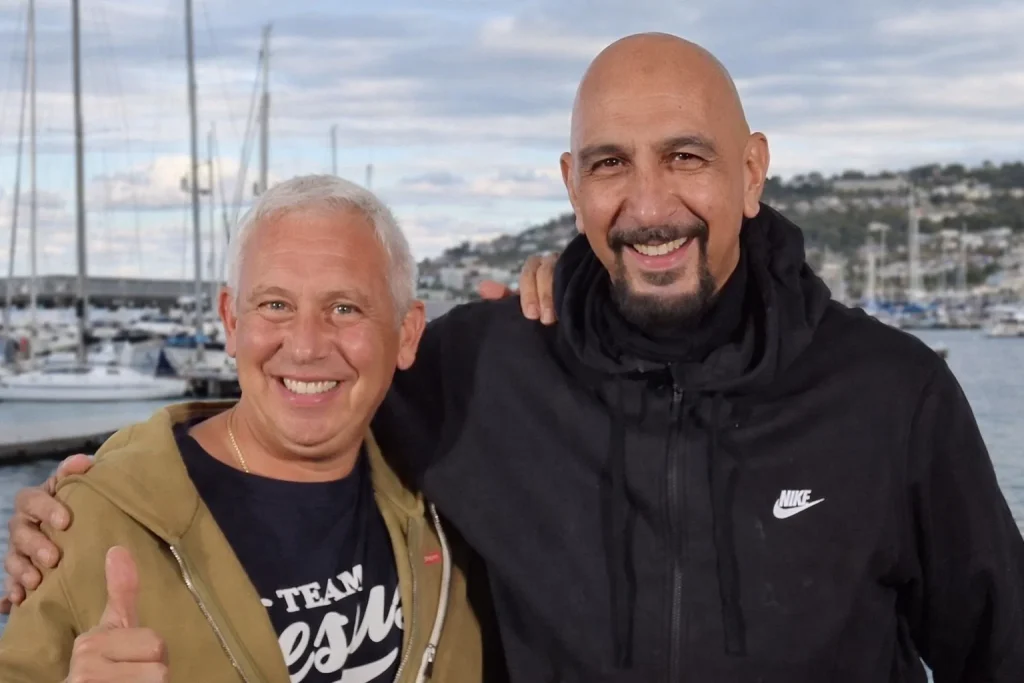
In recent years, Jon Wedger has emerged as one of the most talked‑about and controversial figures connected with whistleblowing in the United Kingdom. A former Scotland Yard detective, Wedger’s story has captivated audiences across podcasts, documentaries, social media, and independent media platforms. His journey from law enforcement to public advocate has created both praise and debate — and for good reason.
This blog post dives deep into his life, work, controversies, mission, and lasting influence. We’ll explore:
- Who Jon Wedger is and his early life and career
- How he became a whistleblower
- His advocacy for survivors of abuse
- Criticism, controversy, and public debate
- His current work and legacy
Who Is Jon Wedger? A Former Detective With a Mission
Jon Wedger is a British former Metropolitan Police Service (also known as Scotland Yard) detective, best known for his role in investigating child abuse and exploitation during his policing career and his subsequent work exposing what he claims were systemic failures, corruption, and cover‑ups within UK law enforcement and establishment institutions. He served as a police detective for over two decades before transitioning into a whistleblower and advocate role.
Wedger’s background was rooted in law enforcement, where he worked on serious crime investigations, including those involving child sexual exploitation, organized crime, and abuse cases. As a detective, he was involved in tackling some of the most sensitive and heinous crimes committed against society’s most vulnerable. His experience in these areas shaped not only his professional expertise but also his determination to shine a light on what he perceived to be systemic inadequacies and institutional resistance.
From Detective to Whistleblower: The Turning Point
The pivotal shift in Wedger’s life came when he began openly criticizing his own police force for what he describes as institutional corruption and a culture of silence regarding major abuse networks and corruption. Wedger claims that during his career, especially in child protection units, he encountered evidence suggesting that certain powerful individuals were involved in abuse, and that these networks were protected or ignored by authorities. When he attempted to expose these issues internally, Wedger alleges he was met with threats, intimidation, and retaliation, ultimately derailing his career.
Wedger’s decision to go public with his claims marked the beginning of his whistleblowing journey. Rather than remaining quiet, he chose to shed light on what he viewed as ignored or suppressed information, even at great personal and professional cost. His claims include allegations that high‑ranking police officials and other figures were aware of abuse networks but did not act effectively.
Advocacy, Awareness, and Mission
Following his exit from active policing, Jon Wedger shifted his focus entirely towards advocacy. He dedicated himself to raising awareness about child abuse, corruption, and the need for systemic reform. Wedger’s mission centers on three major pillars:
1. Supporting Survivors of Abuse
One of Wedger’s core commitments has been ensuring survivors of child abuse feel seen, heard, and supported. He has publicly discussed the long‑term emotional and psychological impacts of abuse and the importance of social and legal support for survivors. Wedger believes that victims should not be silenced or marginalized but empowered to share their experiences and receive justice.
2. Campaigning for Whistleblower Protection
Wedger often emphasizes the need for better legal protection for whistleblowers. He argues that individuals with insider knowledge should be safeguarded from retaliation — whether that comes in the form of career damage, personal attacks, or suppression of information. Wedger has worked with other whistleblowers and survivors to promote legislative and societal change.
3. Raising Public Awareness
One of the reasons Wedger has gained public attention is his willingness to speak openly about uncomfortable truths and controversial topics. Through podcasts, interviews, books, and community platforms, he explores complicated issues such as corruption within law enforcement, institutional cover‑ups, and what he sees as widespread societal denial or avoidance.
Additionally, Wedger launched the Jon Wedger Freedom Community CIC, an initiative aimed at amplifying voices often ignored or suppressed. In this community, supporters can access content that Wedger deems important for understanding truth, corruption, and historical narratives.
Controversies, Criticism & Debate
No figure as outspoken as Jon Wedger emerges without controversy. His work has drawn both strong support and serious scrutiny.
Claims and Verification Issues
One major point of debate surrounding Wedger’s story is the lack of independent verification for some of his most significant claims. Critics argue that many of his allegations rely heavily on personal testimony or anecdote, without official documentation or public legal proceedings backing them. This has led some to classify parts of Wedger’s narrative as unsubstantiated or speculative.
Association With Alternative Media
Wedger has appeared extensively on independent media channels, alternative news platforms, and social media. While this has expanded his reach, it has also linked him to outlets sometimes criticized for promoting sensationalist or conspiracy‑oriented content. Some detractors say this association has complicated the public perception of his message, blurring lines between legitimate concerns and radical narratives.
Public and Institutional Pushback
Wedger has suggested that institutional resistance and attempts to silence critics are widespread. Whether those claims are interpreted as metaphorical or literal, his critics argue that institutions respond to unverified allegations with caution to protect due process and avoid defamation issues. This dynamic continues to fuel debate around how society should handle whistleblowers and controversial disclosures.
Media Presence: Podcasts, Documentaries & Publications
Wedger’s influence extends into multiple media formats. He has been featured in:
- Podcasts — including episodes focused on exposing supposed corruption and systemic problems.
- Documentaries and Interviews — where he shares anecdotes, insights, and critiques of institutional behavior.
- Books and Written Works — where he elaborates on claims, personal experiences, and wider implications.
Some of his most notable media projects include podcasts where he discusses heavy topics like corruption, whistleblowing, and institutional cover‑ups. Through these platforms, Wedger reaches an international audience, engaging supporters and critics alike in continuing discussions.
The Legacy of Jon Wedger
While opinions about Jon Wedger vary widely, there is no denying that his story has sparked conversation. Whether seen as a courageous whistleblower or a contentious figure, Wedger’s influence rests on a few significant outcomes:
1. Public Dialogue on Child Protection
His narrative has contributed to broader discussions on how child abuse is handled by institutional systems.
2. Whistleblower Rights Awareness
Wedger’s challenges have highlighted the complicated situation many whistleblowers face — particularly when confronting powerful establishments.
3. Critical Examination of Power Structures
Even critics acknowledge that his story prompts people to question how authority systems respond to internal criticism and public accountability.
Final Thoughts: Understanding Jon Wedger’s Place in Modern Discourse
Jon Wedger’s life and work sit at the intersection of law enforcement, advocacy, controversy, and public scrutiny. His journey reflects the complexities that arise when one individual challenges powerful systems, especially on topics as sensitive as child abuse and institutional transparency.