

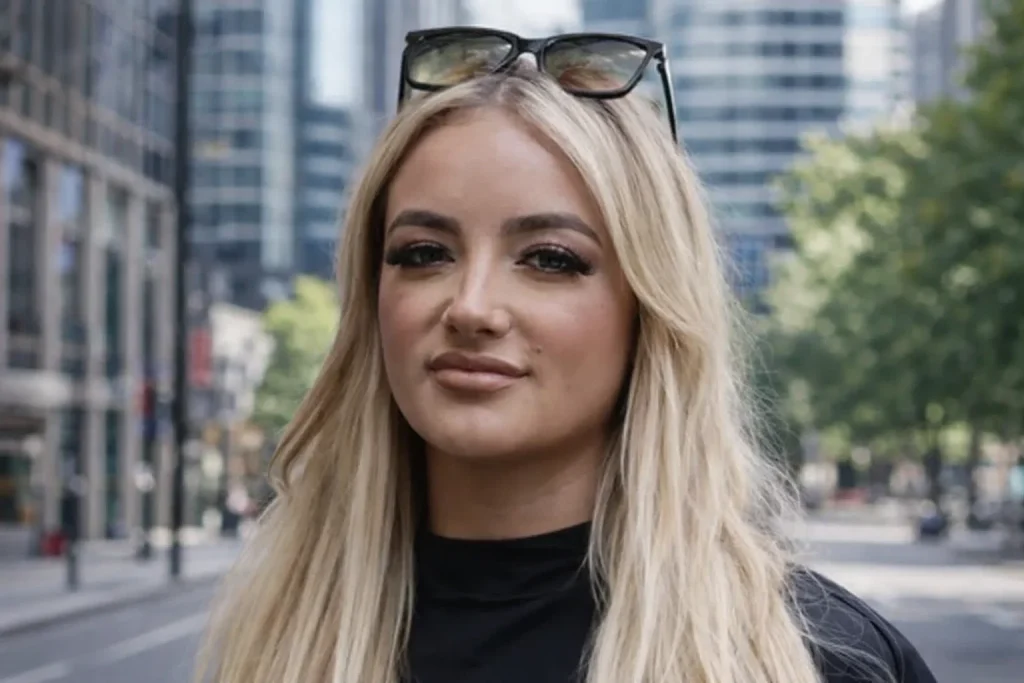
In an age where public figures often share every detail of their lives online, Victoria Farage stands apart as a remarkably private individual — one whose name garners curiosity yet remains shrouded in mystery. Unlike the countless influencers and celebrity offspring who nurture social media followings or step into public life early, Victoria has chosen to live away from the spotlight. But with her name frequently appearing in searches and discussions, many people still ask: Who is Victoria Farage? This blog post unpacks everything known about her — from family background and upbringing to public perception and personal choices — in a detailed, engaging, and SEO‑optimized format.
Early Life & Background: A Glimpse Into Her Roots
Victoria Farage was born in the United Kingdom around the early 2000s to a family whose public profile is anything but subtle. Her father, Nigel Farage, is one of the most recognizable figures in British politics — a leader who played a central role in the Brexit movement and has been a focal point of both admiration and controversy in the UK’s political landscape.
Despite this high‑profile family context, Victoria’s childhood was notably quiet. Raised with a blend of British and German influences — owing to her father’s British roots and her mother’s German background — Victoria grew up in a multicultural environment. Learning both English and German likely enriched her early worldview and shaped her personal identity in subtle yet meaningful ways.
Family accounts and biographical pieces suggest she grew up in Kent, in a rural and peaceful setting far removed from the media frenzy surrounding her father’s political work. This helped safeguard her early years from excessive scrutiny and set the tone for her adult life — a life characterized by discretion and privacy.
Family & Identity: Understanding the Farage Connection
To understand Victoria Farage’s public perception, it’s important to outline the family dynamics that have fueled both curiosity and speculation:
- Nigel Farage (Father) – A major figure in British politics best known for campaigning for the United Kingdom’s withdrawal from the European Union. He led major political movements, including UKIP and later the Brexit Party, before stepping into broader British political discussions.
- Kirsten Mehr (Mother) – A private individual with a German heritage, who raised her children with an emphasis on family privacy and stability.
- Siblings – Victoria has siblings and half‑siblings from her father’s earlier marriage. All members of the family have generally remained outside of intense media scrutiny.
While her father’s career has been highly public, Victoria’s own approach has been strikingly different: she has deliberately avoided public or political exposure. This contrast between her father’s very public presence and her absence from media narratives is part of what makes her intriguing to many.
Education and Personal Development
Although there are no official public records or verified biographies outlining Victoria’s full academic journey, it is generally understood that she received a strong education — likely through private schooling in the United Kingdom. Reports suggest she benefitted from a solid academic foundation, and her upbringing emphasized independence and self‑determination.
Unlike many children of politicians who sometimes follow in their parents’ footsteps, Victoria didn’t pursue a career in politics or public leadership. Instead, her academic and early adult choices reflect her preference for privacy and personal growth outside media scrutiny.
Beyond the Spotlight: Career and Public Presence
One of the most notable things about Victoria Farage is not what she has done publicly, but what she has chosen not to do. There’s no evidence that she has ever held a public office, campaigned in political events, or made statements about her views on major political issues — even those that directly involve her father’s legacy.
Speculation and online curiosity have often led to misattributions, with some incorrect associations circulating online. For example, mix‑ups have occurred connecting her name with unrelated individuals due to simple name similarity, which highlights the risks of misinformation in today’s internet age.
Despite her low profile, public interest in her name has remained steady — in part because of her surname and in part due to the broader intrigue surrounding political families. People want to know whether children of high‑profile politicians adopt their parents’ careers, share their views, or forge their own identities. In Victoria’s case, her story leans toward the latter: forging a path guided by her preferences rather than public expectation.
A Private Life in a Public World
Perhaps more astonishing than any job title or achievement is the level of privacy Victoria maintains in an era dominated by social media and oversharing. She has no widely verified social media presence and does not appear to engage with public platforms in any meaningful way. This silence in a noisy digital world is not just rare — it has become a defining characteristic of her identity.
For many people today, especially younger generations, a private life is harder and rarer than ever. Most would instinctively document their travels, thoughts, relationships, or careers online. Victoria’s absence from these channels suggests a strong commitment to living life on her own terms — valuing personal space over digital fame.
This lifestyle choice has only deepened public curiosity. When someone with a famous surname refuses to engage with fame, it naturally creates a gap that people want to fill, leading to speculation, myth‑making, and misinformation online.
Speculation VS Reality: Navigating Public Misunderstandings
Because Victoria Farage is not an active public figure, many misunderstandings have sprung up around her name. One common example involves mistaken identity, where unrelated individuals — often with similar names — get linked to her narrative. This illustrates how easily misinformation can spread, especially when public curiosity intersects with lack of confirmed information.
Such confusion isn’t just a nuisance; it reflects broader issues in how digital culture interprets private individuals tied to public figures. The discrepancy between someone’s real life and the persona that exists in search results can become significant — particularly without verified sources or direct confirmation from the subject themselves.
Victoria’s case emphasizes a practical lesson for internet users: not every name associated with a public figure necessarily reflects public action or public opinion.
The Legacy of Privacy: Why Victoria Farage Matters
So why does Victoria Farage continue to fascinate people around the world? There are a few key reasons:
- Her Name Carries Political Weight – Being associated with one of the most discussed political figures in recent British history invites curiosity by default.
- She Represents a Contrast – Her father’s loud public presence contrasts sharply with her silence, and that contrast is compelling.
- Her Privacy Is Intentional – In a culture obsessed with sharing everything, intentional privacy stands out as unusual and noteworthy.
- Her Story Reminds Us of Individual Choice – Not every child of a famous person is destined to share the same path — and Victoria embodies that truth.
In many ways, her life serves as a quiet reminder that celebrity pedigree doesn’t always translate to public visibility — and that personal fulfillment and privacy can still be valuable in a hyperconnected world.
Conclusion: The Elusive Identity of Victoria Farage
Victoria Farage is a fascinating subject not because of what she has done, but because of what she has chosen not to do. In a digital age where fame is often pursued aggressively, Victoria’s deliberate absence from public platforms and discussions is noteworthy. Her upbringing in a private family environment, combined with her decision to live life away from cameras and headlines, has made her an unusual yet compelling figure in public imagination.